
Think clearly. Sleep deeply.
Feel sharp and calm — even under pressure.
Is it Brain Fog, ADHD, or just plain exhaustion?
When you don’t have as much capacity as you used to. When the mid-afternoon crash is hard to ignore. When you lose your patience with others. What do you do? Is it brain fog? Decision fatigue? It doesn’t matter what you call it. You’re tired every afternoon. Losing your train of thought mid-sentence. Struggling to recall details that used to come easily.
If this was your computer being glitchy, you would have three options:
1. Put up with it
2. Send it off for repair
3. Replace it
And when it’s your brain that you are worried about, your three options are different:
1. Blame yourself — not enough sleep, too much alcohol in your 20s, or not enough coffee today
2. Blame something outside your control — bad genes, menopause, ADHD, aging, noisy neighbours
3. Support your brain — so you can sleep soundly, think clearly, and feel sharp every day, regardless of your genes or your coffee intake
This page is about option three.
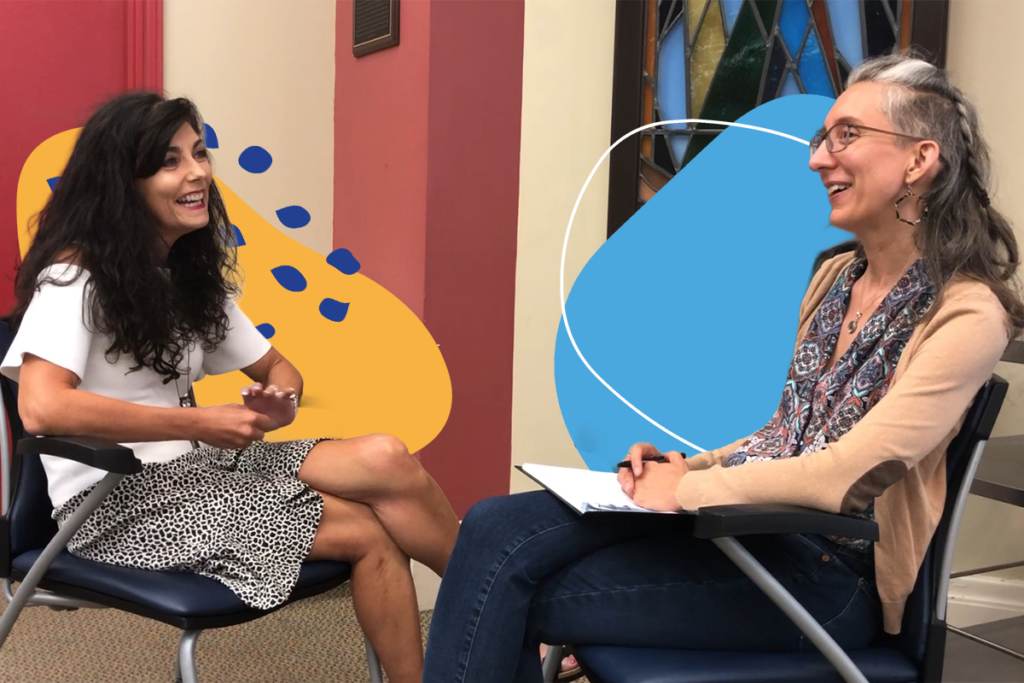
You've always held yourself to high standards.
But something has shifted.

You still get things done. You’re still highly capable.
But your brain doesn’t feel as sharp as it once did. Sleep isn’t as reliable. Your patience wears thin faster than you’d like. And even when life is “fine,” your mind always finds something to stress about.
You might recognize yourself in some of this:
- You wake up tired, even after a full night in bed
- Your sleep is lighter or more fragmented than it used to be
- You feel mentally “busy” even when nothing urgent is happening
- Small frustrations hit harder than they should
- You have less patience at home — with the people who matter most
- You worry about your memory, focus, or mental sharpness long-term
If you’re a woman, menopause can add another layer: disrupted sleep, brain fog, anxiety, and emotional reactivity that don’t respond to the usual advice.
And for many people, there’s something else quietly present: you’ve seen cognitive decline in someone you love — and you’d do almost anything to protect yourself from that.
What If You Could Feel Sharp Now — And Stay That Way?

Imagine walking into every meeting fully present. Ideas flow easily. Decisions come naturally. Your focus stays steady even when the pressure is high.
No more mental fog. No more end-of-day crashes. No more snapping at people you care about.
You feel like yourself again — clear, confident, quick on your feet.
This is how your brain is designed to function. And it’s what becomes possible when you train it intentionally.
A Holistic Approach for Lasting Mental Clarity
Most approaches focus on one thing: productivity hacks, sleep apps, supplements, or mindset work.
But your brain doesn’t operate in isolation. Your cognitive performance is shaped by how you think, how you recover, and how you live.
That’s why my coaching approachi includes all of the following:
Thinking Skills
Solution-focused strategies that help you cut through noise, make decisions with clarity, and stay resourceful under pressure.
Nervous System Regulation
Tools to shift your brain and body out of chronic stress mode — so calm, focus, and non-anxious presence become your default, not something you have to force.
Lifestyle Integration
Practical, sustainable adjustments to sleep, energy, and daily habits that support long-term brain health — without overhauling your life.
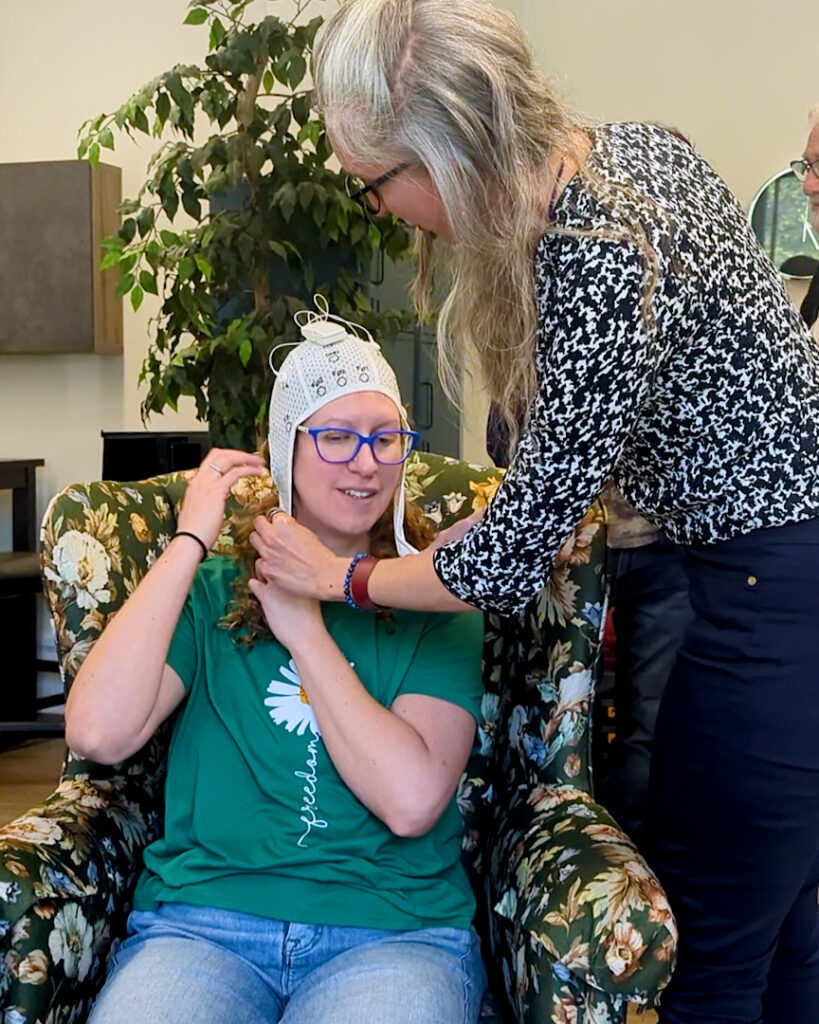
Neurofeedback-Based Brain Training
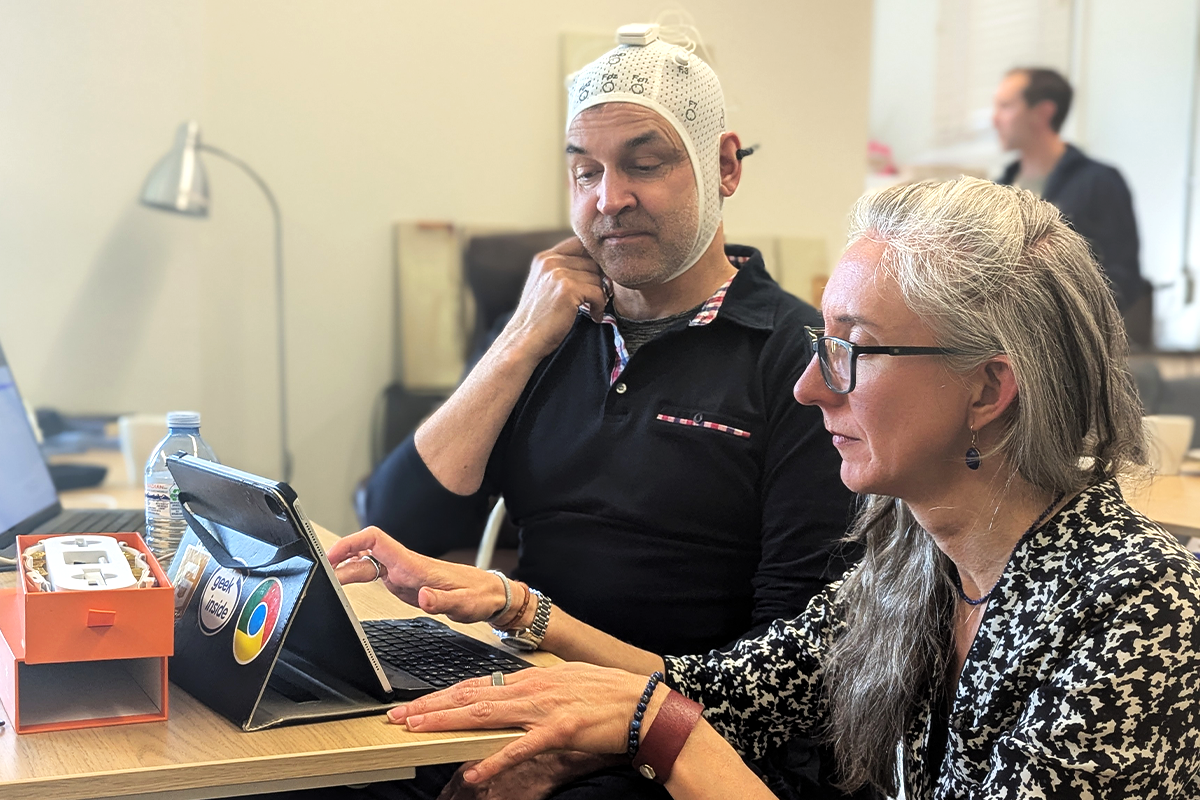
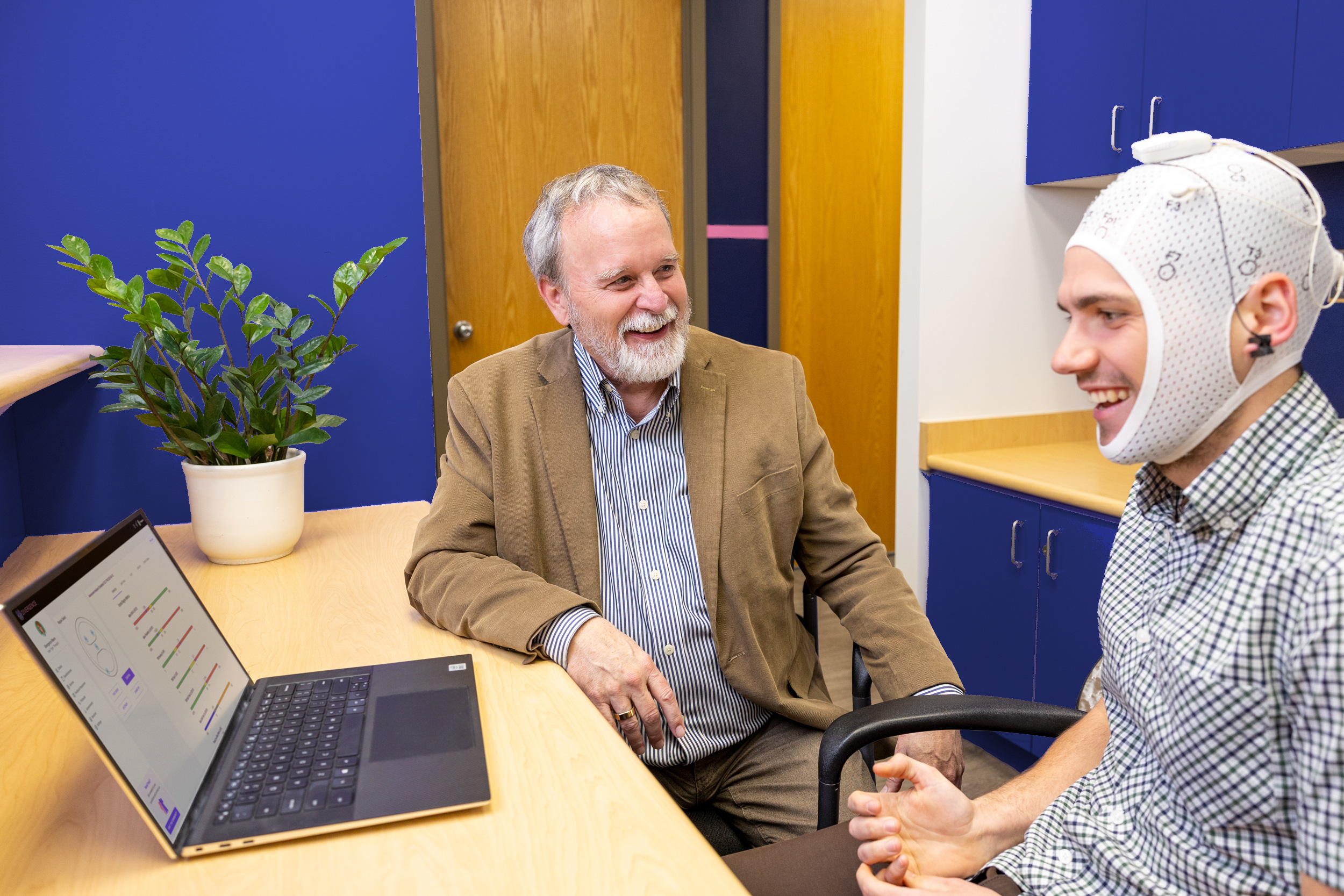
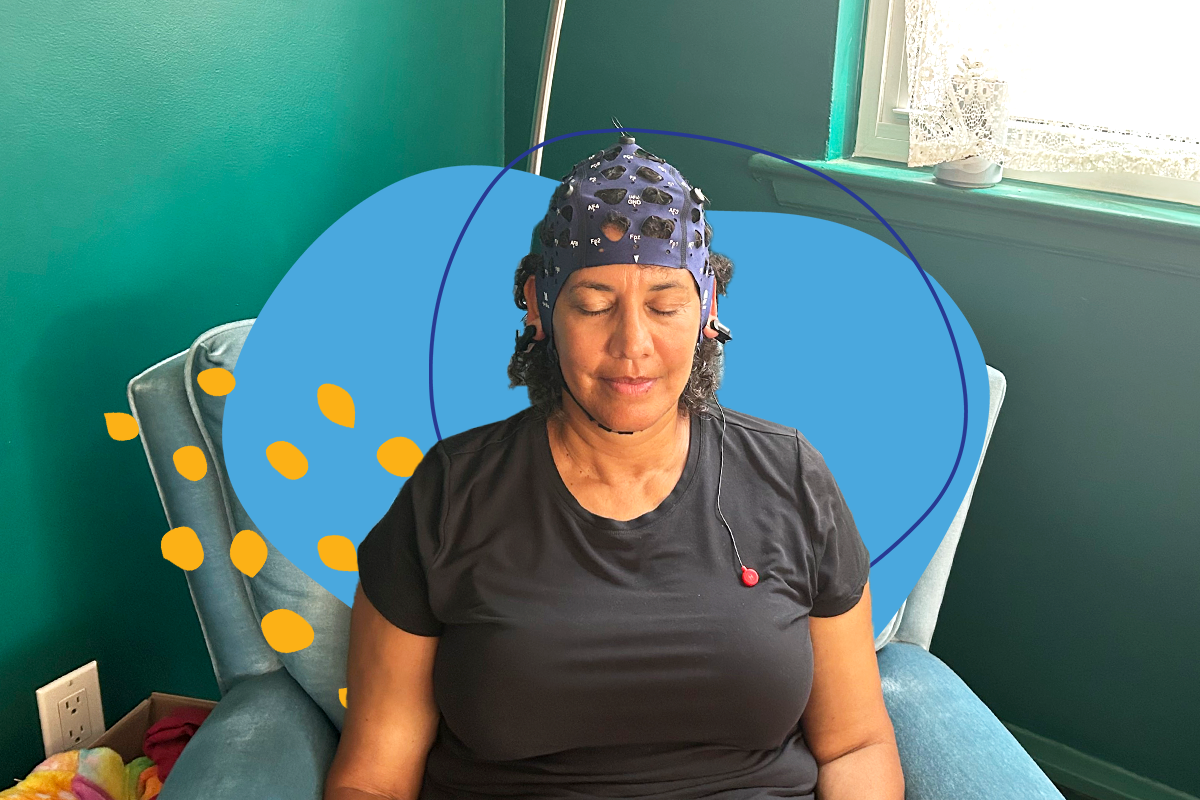
Real-time feedback that helps your brain learn healthier patterns of regulation, focus, and recovery. Over time, these patterns become automatic — so the changes stick without constant effort.
Why Neurofeedback?
Coaching creates insight. But insight alone doesn’t change how your brain operates under stress.
Neurofeedback works at the source. It trains your brain to regulate itself more efficiently — improving sleep, emotional steadiness, focus, ability to concentrate, and resilience from the inside out.
Used within a coaching framework, neurofeedback accelerates and anchors the changes we work on together.
The goal isn’t endless coaching. The goal is to help your brain re-learn how to function well — and stay that way.
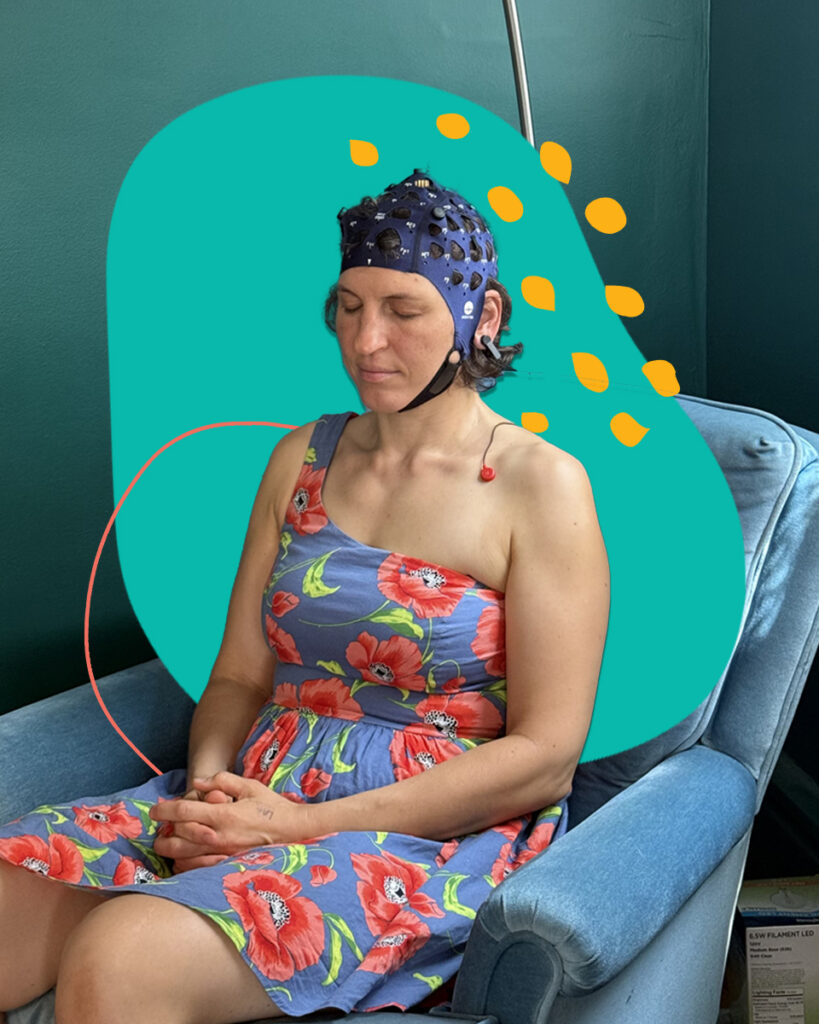
Here’s how it works:
Step 1: Intake + Assessment
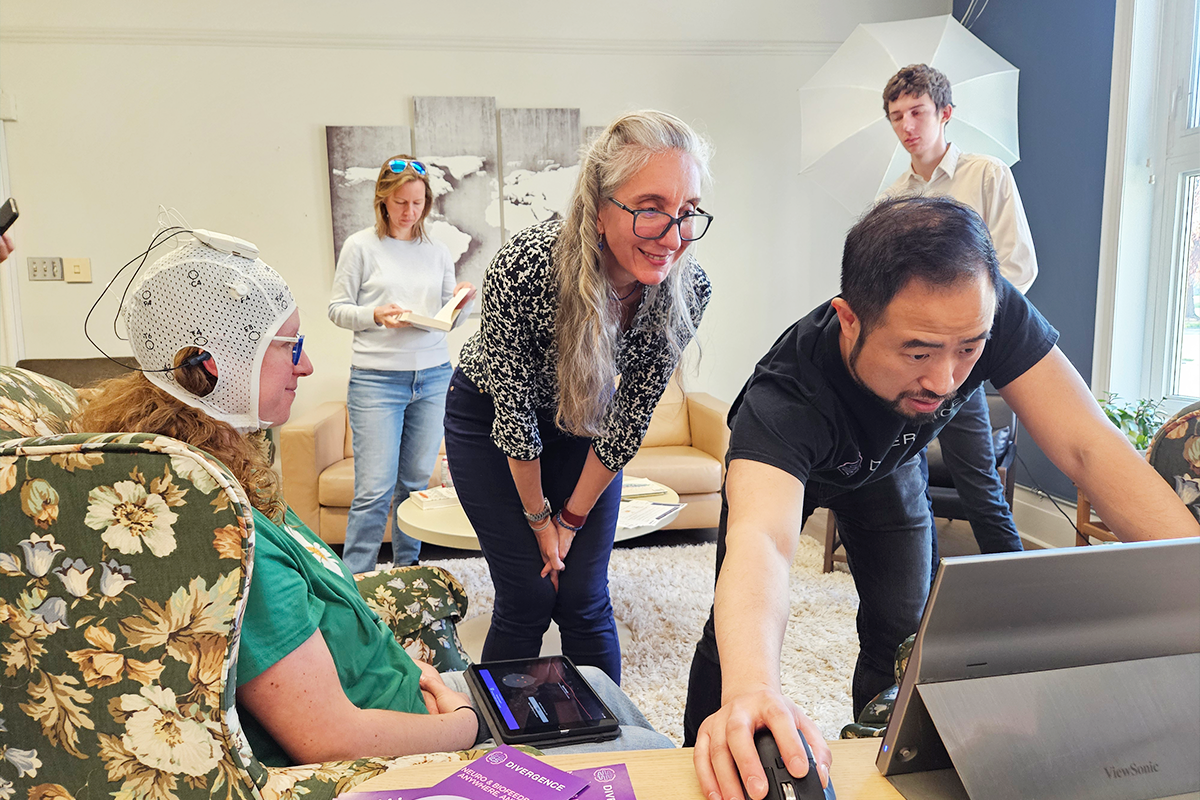
We start by understanding how stress, sleep, and cognitive load are showing up in your life. When appropriate, this includes a brain assessment to see how your brain is regulating itself today.
Step 2: Personalized Plan
We design a coaching approach tailored to your life stage, responsibilities, and goals — including thinking strategies, nervous system tools, lifestyle adjustments, and brain training if appropriate.
Step 3: Three months of Coaching
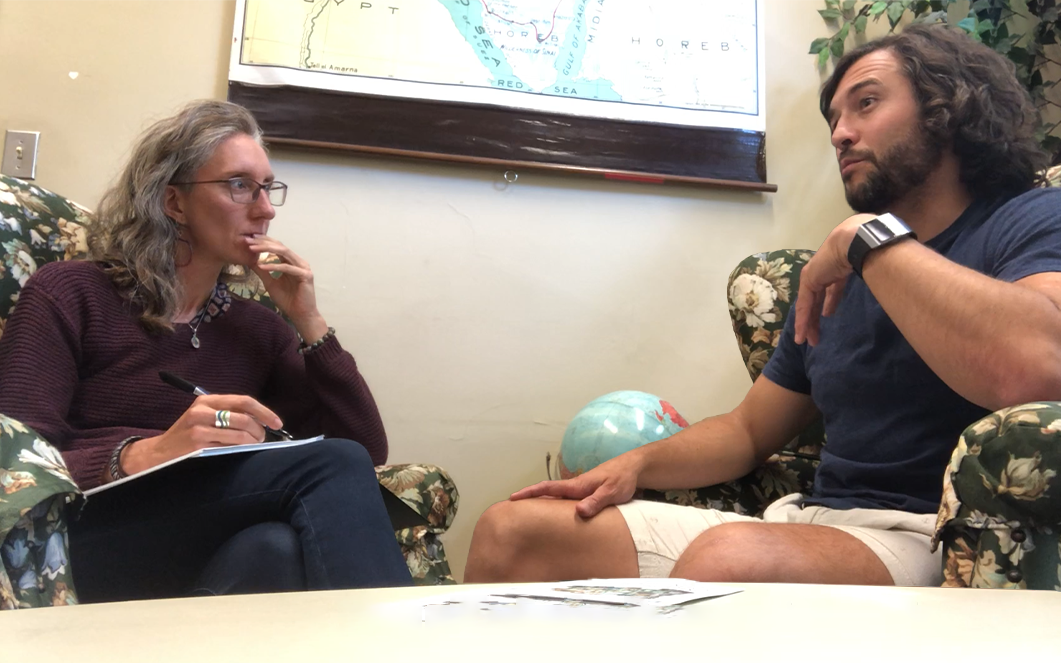
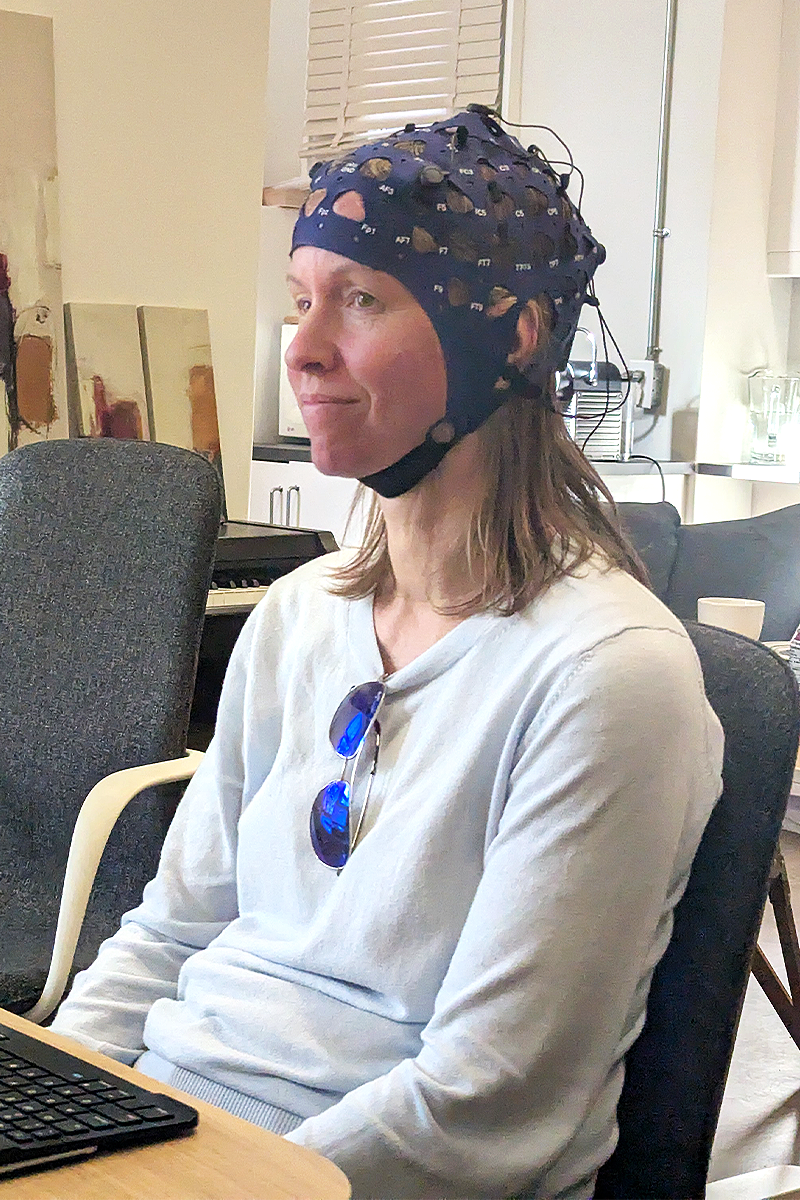
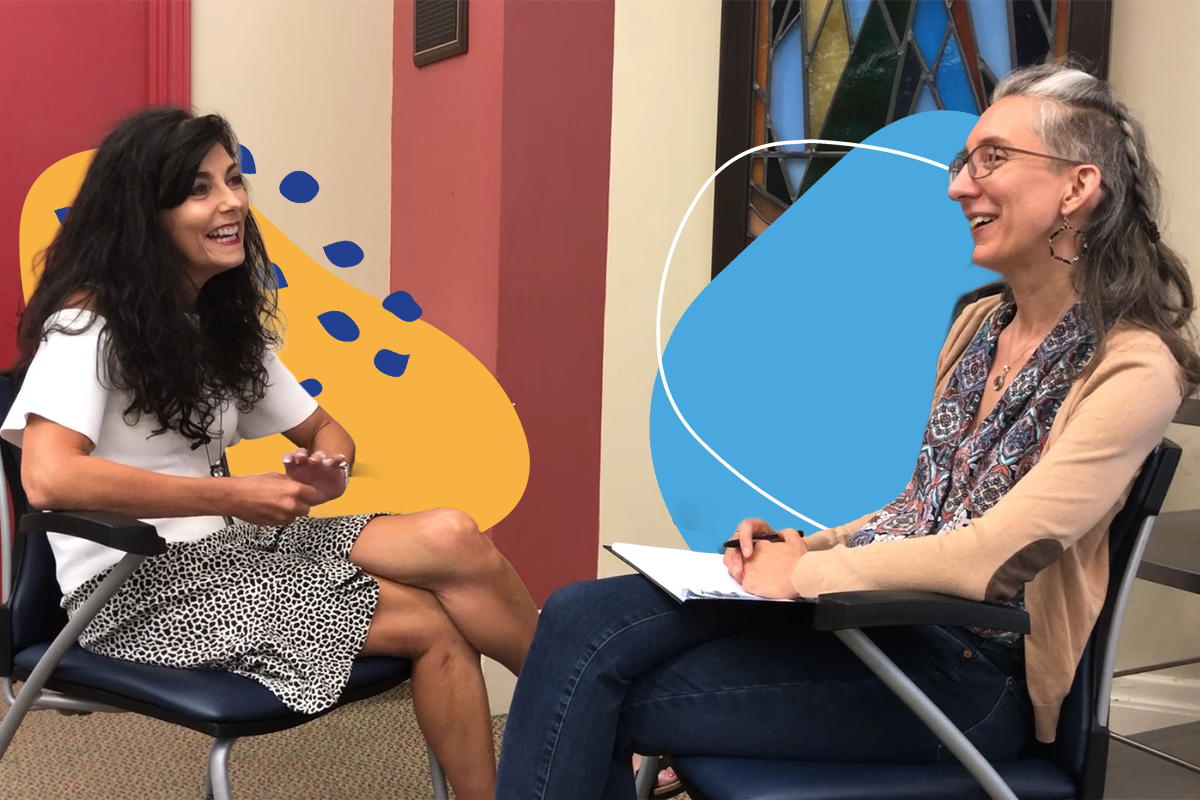
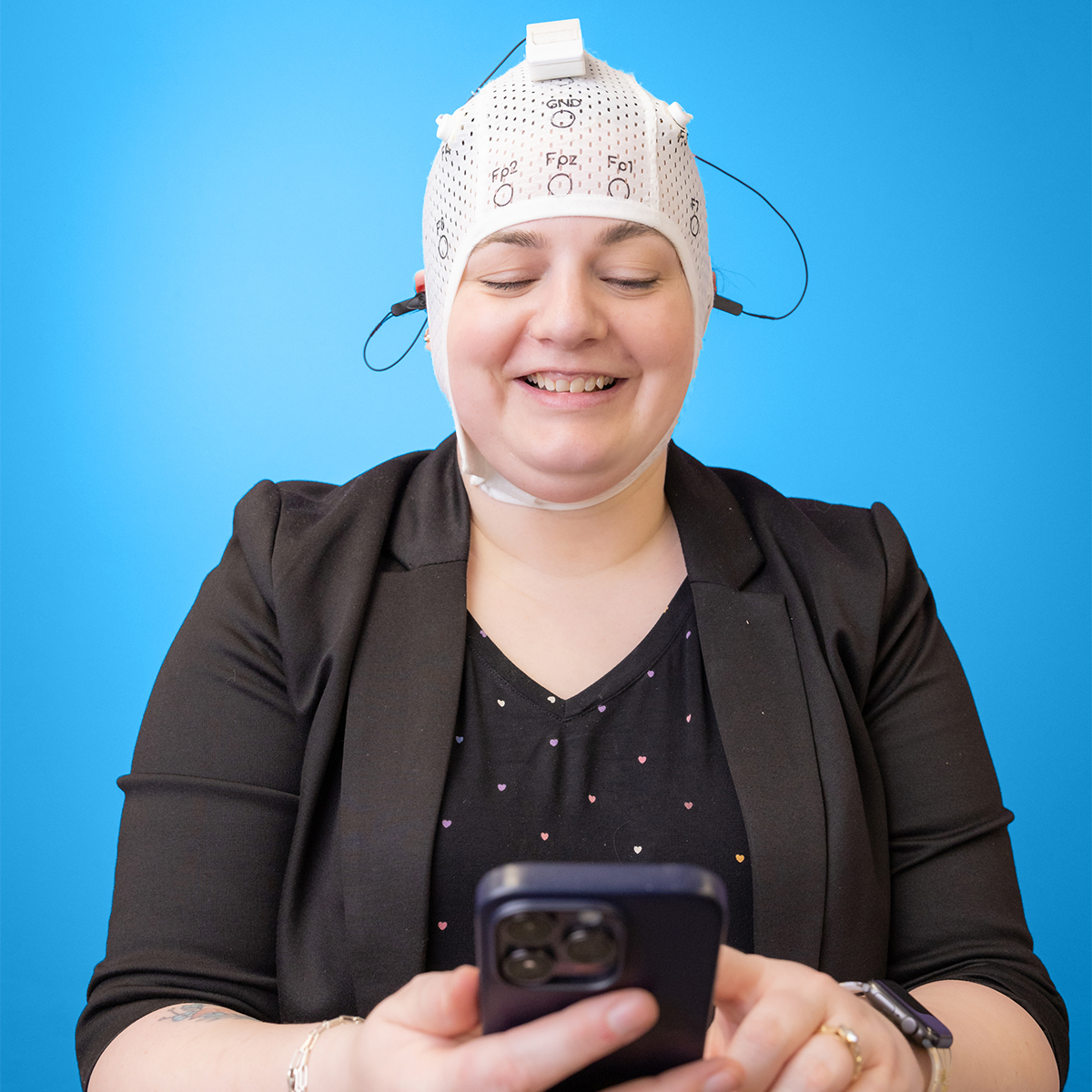
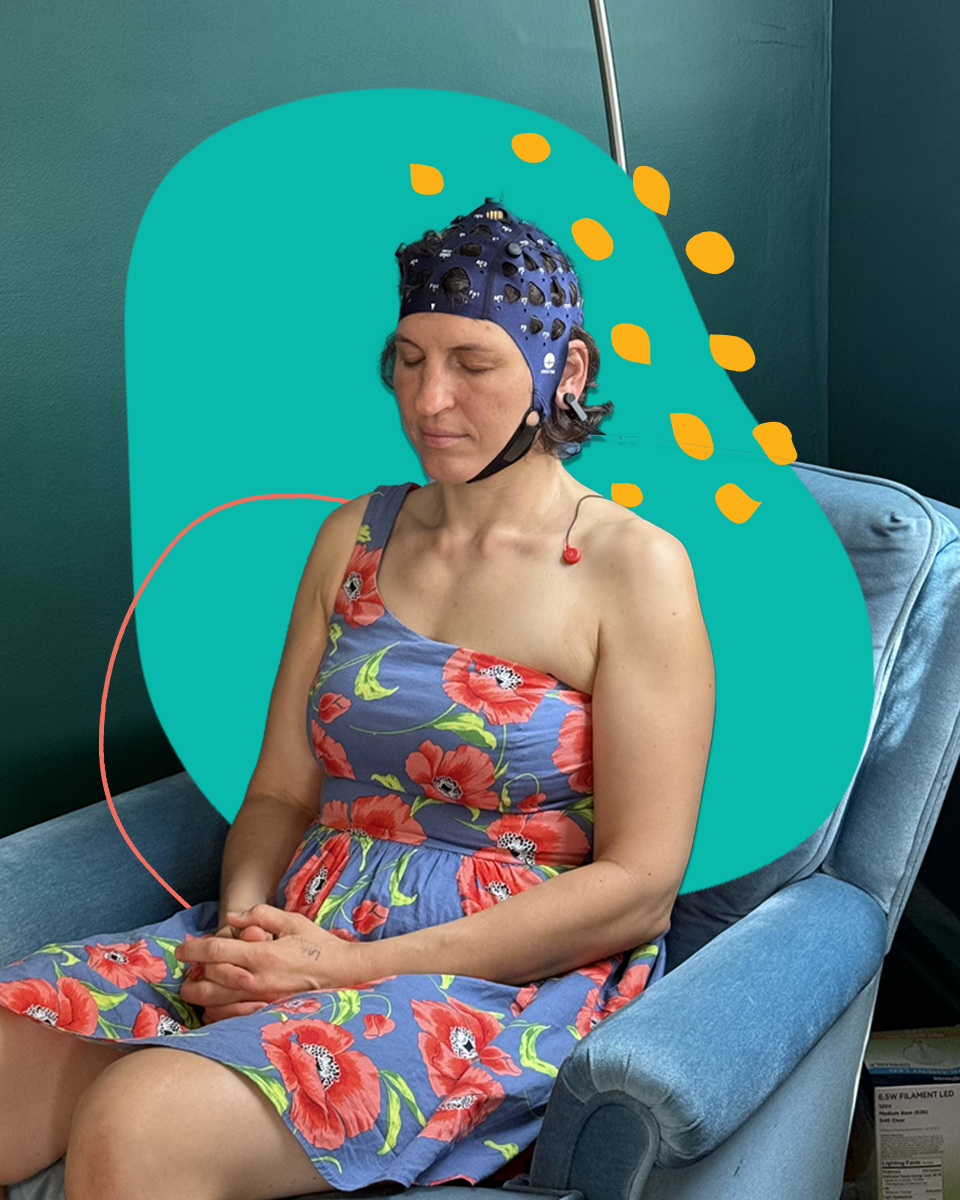
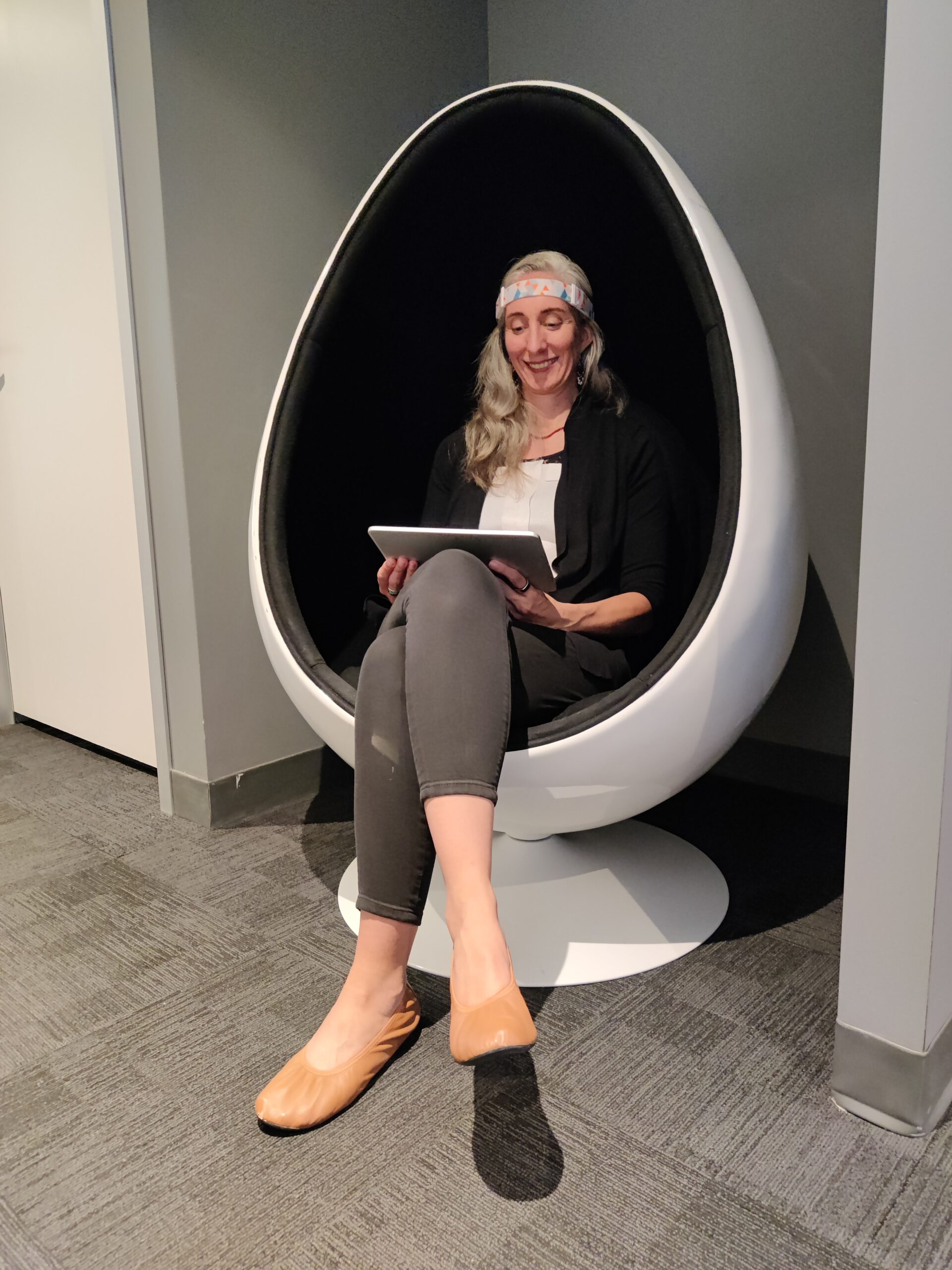
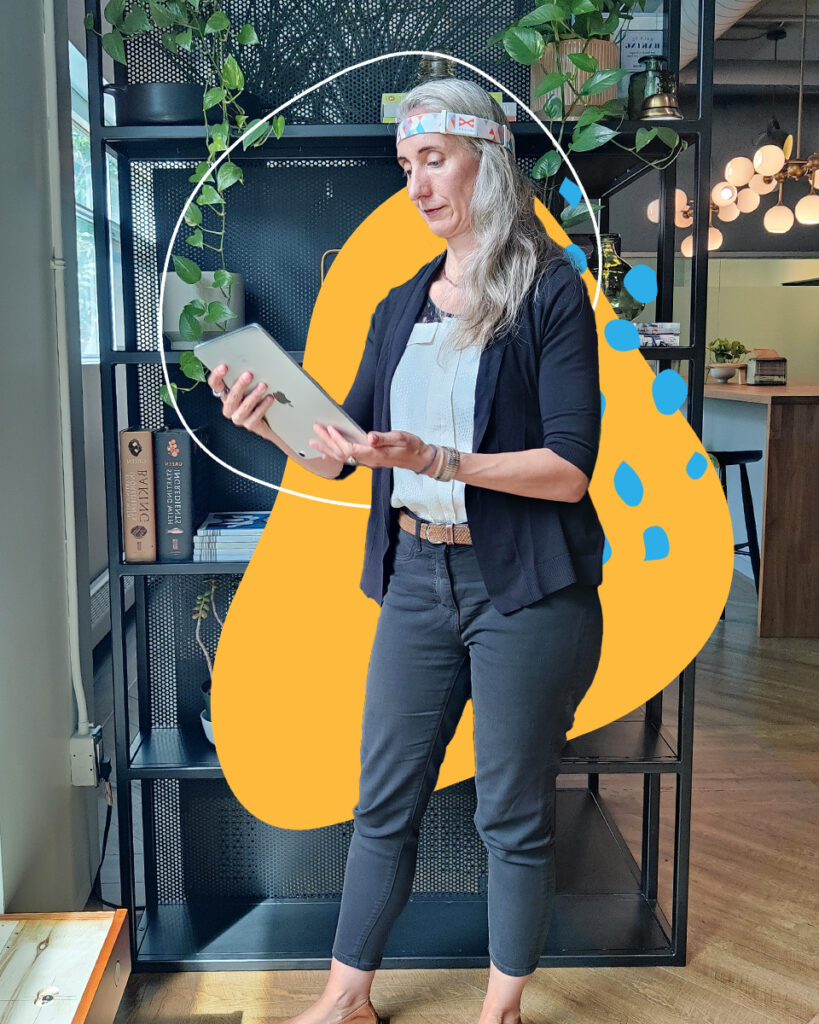
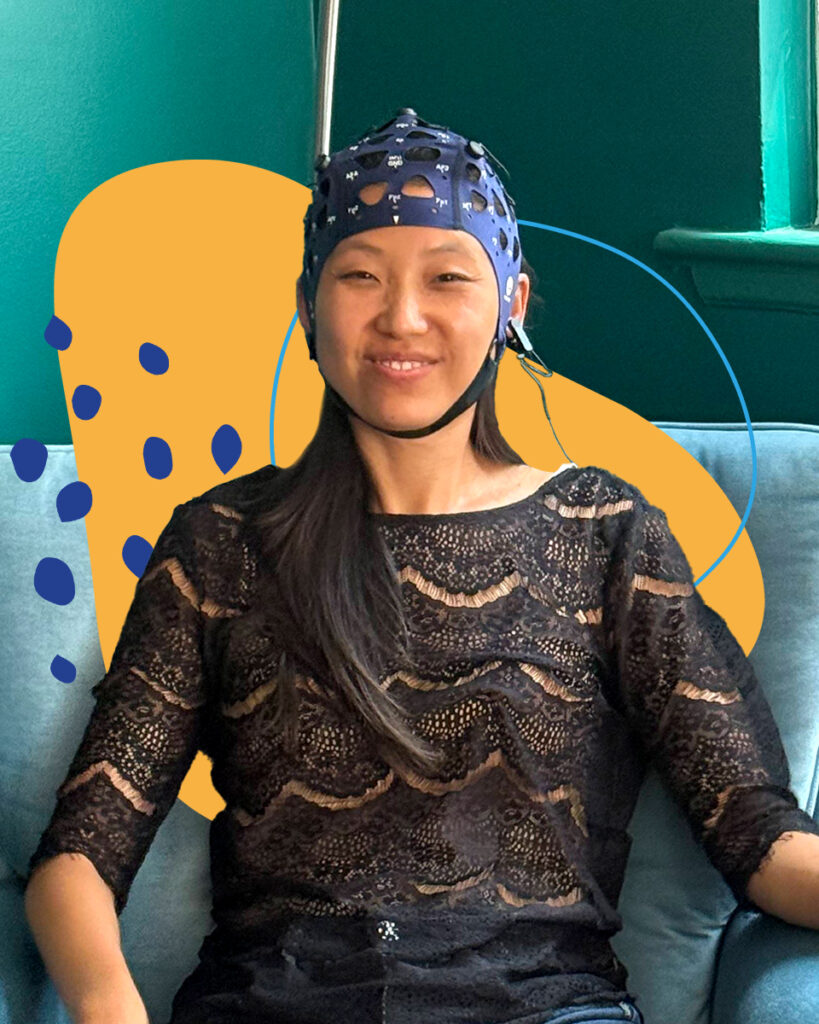
We meet for a one-on-one coaching session every two weeks. You apply what we’re working on in real life. If neurofeedback is part of your plan, you take an EEG device home so that you can train your brain for 10 to 20 minutes/day.
Step 4: Long-Term Stability
As your brain learns healthier patterns, the changes become self-sustaining. You’re not dependent on tools or coaching forever. You’re building capacity that lasts.
Who is this for?
This coaching is a strong fit if you:
- Hold yourself to a high standard — at work and at home
- Care deeply about your cognitive health as you age
- Want energy and patience for the people and work that matter most
- Feel stuck in stress mode and want out
- Believe in doing the work, not looking for shortcuts
It may not be a fit if you’re looking for quick fixes, aren’t open to exploring how stress affects your performance at work and outside of work, or want someone to “fix” things without your involvement.
Meet Your Coach
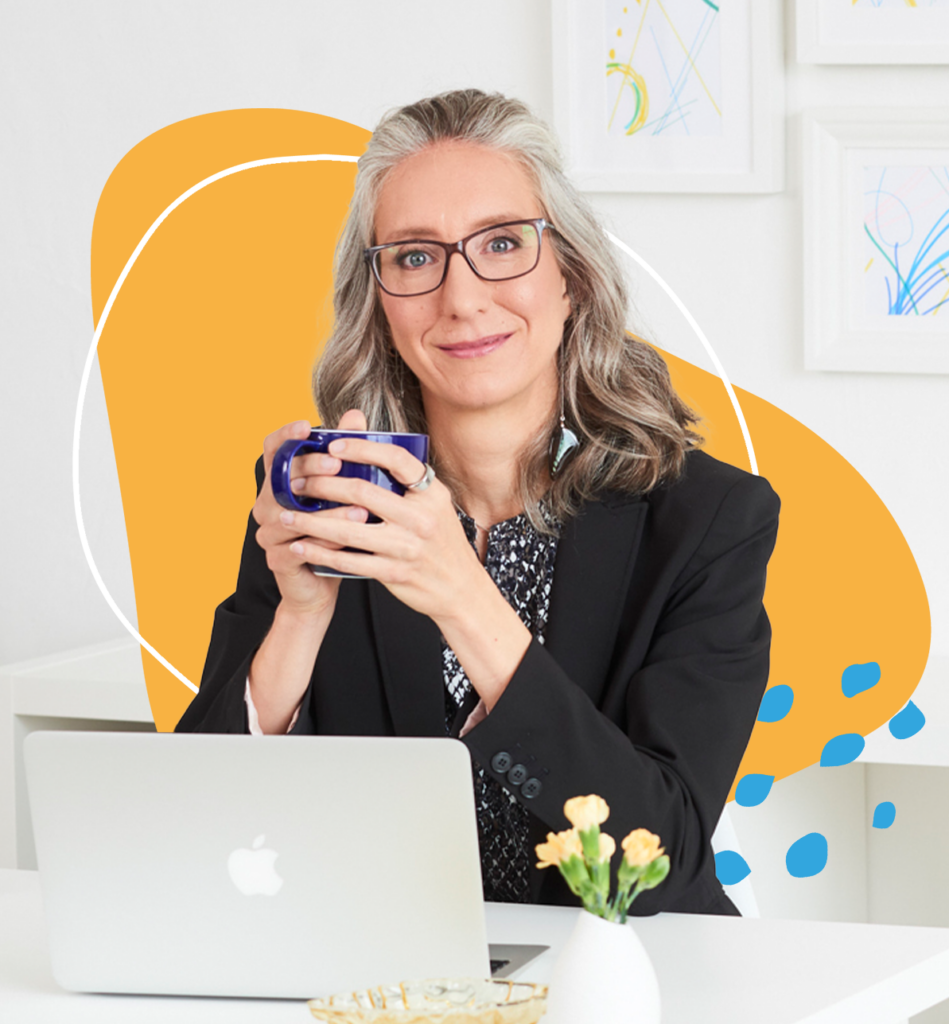
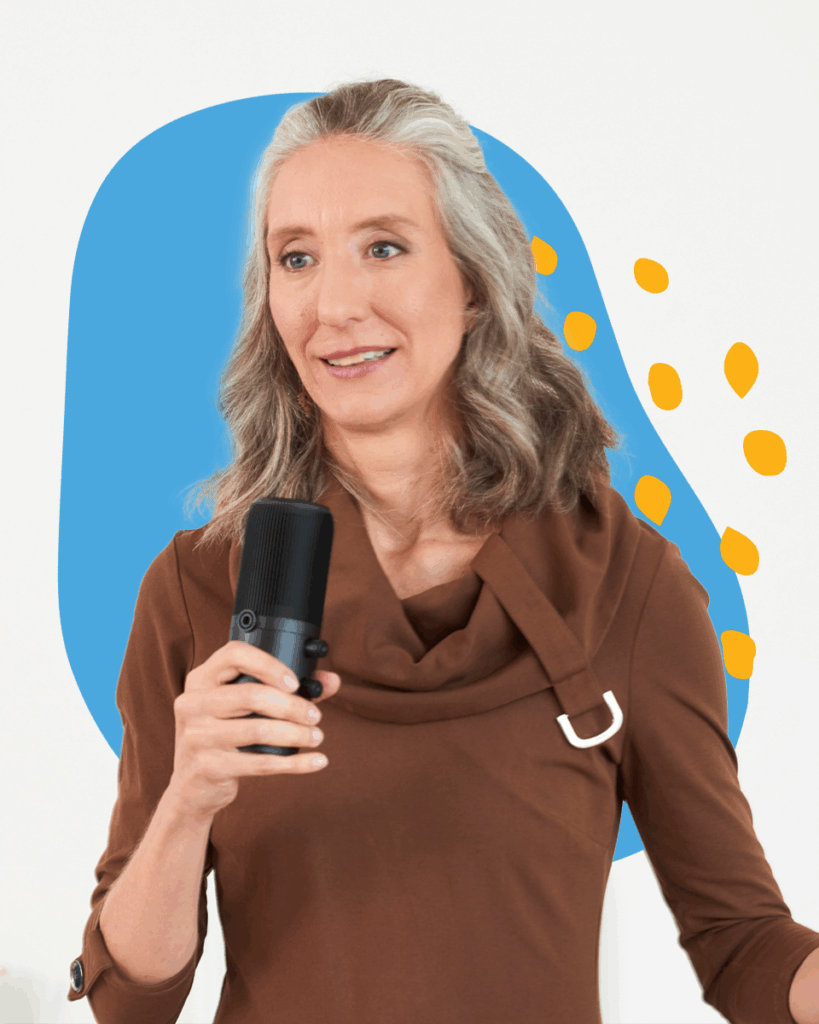
Hi, I’m Ginny Santos.
My obsession with brain health started at 19, when my dad sent me a news clipping: “Study Finds Women’s Brains Smaller Than Men’s.” His well-meaning message? I should always come to him for advice because he’d always know better.
That lit a fire.
I became an expert in soft skills training — teaching executive MBA grads and leaders in L&D programs for over a decade. But what I kept seeing were brilliant minds running on empty. Exhausted people who could only absorb a fraction of what I was teaching, no matter how motivated they were.
Their brains were simply too tired.
That’s what led me to neuroscience, brain health, nervous system regulation, and eventually neurofeedback.
Who I work with now:
Dedicated professionals who hold themselves to a high standard — people who give their best to their work, their families, and their communities. When stress, fatigue, or overwork start to get in the way, I help them train their brain to think clearly, sleep deeply, and show up fully for everything that matters.
My training:
Certifications in neurofeedback, nutrition science, and nervous-system-based coaching, plus a Master’s of Science. I combine neuroscience with practical strategies to help people stay mentally sharp, creative, and calm under pressure.
My experience:
25+ years in consulting, training, and facilitation. 16 years as an adjunct professor. Through Neolé, the company I founded, I’ve worked with startup founders, nonprofit leaders, Pentagon administrators, and secret service agents. But my favourite work? Helping people reclaim the energy and clarity that fuels great decisions, creative problem-solving, and presence at home.
On the personal side:
Originally from Spain. Mother of four (two of my own + two stepkids). Dog lover. Lifelong learner with a goal of living to 100 in good health — because what’s the point of success if you can’t enjoy it?
What's Included
Your coaching engagement is personalized. It may include:
- One-on-one Coaching (in-person or Zoom)
- Comprehensive brain assessment
- Neurofeedback-based brain training with a portable at-home device
- Sleep and recovery optimization
- Lifestyle strategies for long-term brain health
- Ongoing support and progress reviews
Nothing is cookie-cutter. Everything is tailored to you.
Investment
Your first step is a free consultation.
All investment details are discussed transparently before you decide anything.
FAQ:
How long is a typical program?
Most clients work with me for 3 to 6 months. You can go more intensively to finish sooner, or stretch it out if that fits your schedule better.
How much time does this take?
You will want to set aside one hour every two weeks for coaching sessions plus 10 to 20 minutes a day for brain training, and habit formation.
Do I need to make big lifestyle changes?
No. We focus on small, practical adjustments — like sleep habits or snack choices — that fit into your life and help your brain stay sharp and resilient.
Will we be meeting in person?
No. We might meet in person for your first and last sessions, if possible. Everything else happens remotely, wherever you are.
What does neurofeedback feel like?
Effortless. You wear a lightweight sensor cap, watch or listen to content on your phone, and your brain receives real-time feedback. Most people find it relaxing.
Is it safe?
Yes. Neurofeedback is non-invasive, medication-free, and backed by decades of research. It works with your brain’s natural plasticity.
Why haven't I heard of neurofeedback before?
It’s been used in clinical and research settings for decades. What’s new is the technology that makes it possible to train at home — more accessible, flexible, and affordable than ever.
Imagine This...
You wake up genuinely rested.
Your mind is quieter, clearer.
You handle stress without it hijacking your mood.
You have patience for the people you love.
You trust your memory, your judgment, your ability to adapt.
And instead of worrying about cognitive decline, you know you’re actively supporting your brain — now and for the long term.

You can keep telling yourself this is just a phase.
Or you can take a thoughtful, proactive step to support the one system everything else depends on.
© Neolé 2026