

Leadership burnout doesn’t always look dramatic. Often, it builds quietly — disguised as dedication, resilience, and high performance.
Over the past year, I’ve been interviewing people in leadership roles to better understand how chronic stress impacts their ability to think clearly, feel capable, and sustain performance. This is the story of a 54-year-old leader I now see as a role model — not because she avoided burnout, but because of how she responded when it finally caught up with her.
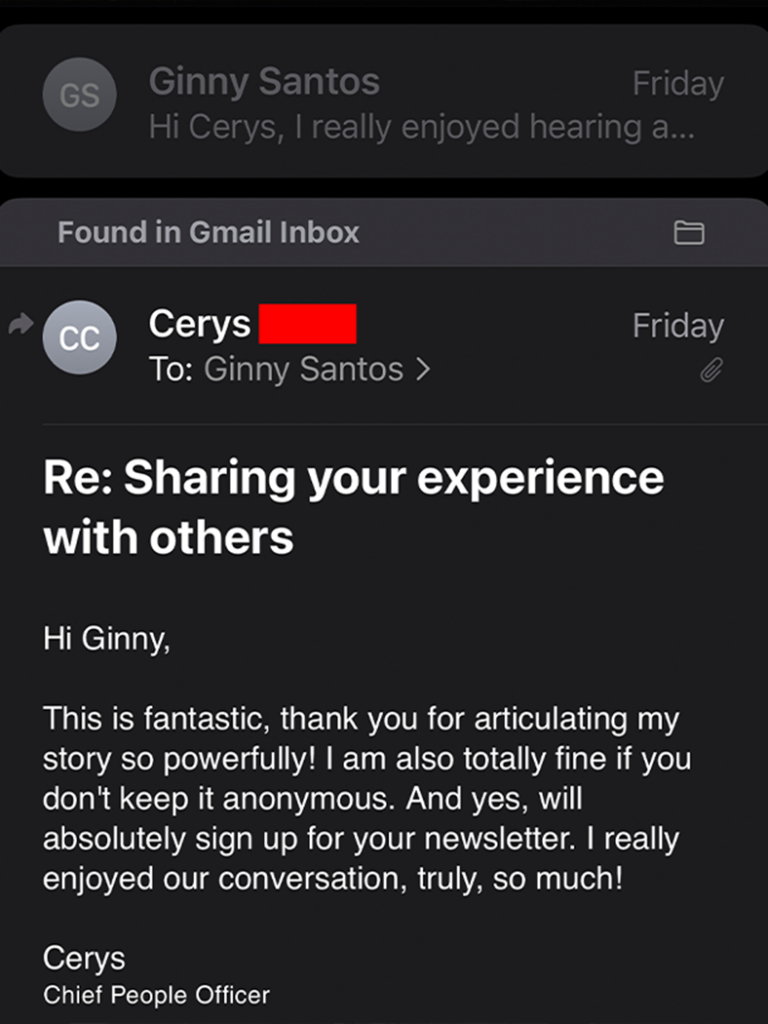
When I asked this leader whether I could share her story and my takeaways, here’s what she said:
Leadership Burnout Doesn’t Happen Overnight
When she turned 50, she thought she had this “stress thing” figured out.
She had always been competitive—an athlete in her younger years, known for pushing through discomfort and performing under pressure. The work was exciting and meaningful, and she prided herself on being the one people could count on. But then one day, she came home from work, sunk into the couch—and couldn’t get back up.
At first, she thought she was terribly sick. Her doctor ran every test imaginable, but nothing came up. Physically, she was fine. Yet she felt completely depleted.
That’s when she realized: She wasn’t dying, she was burned out.
The pandemic years had pushed her cortisol levels sky-high. Every challenge felt bigger than it was. Constant change in the organization kept her in a constant state of vigilance. She worked harder and longer to prove herself, skipping meals, pushing through fatigue, telling herself, “I’ll rest later.”
Later never came.
Burnout Recovery for Leaders Starts With Self-Leadership
That’s when she made a big decision: if she wanted to continue leading, she had to start leading herself differently.
She started small—fueling her body for success with better nutrition, daily walks, and time at the gym.
She started sleeping again.
She began setting boundaries: no more back-to-back meetings, no unnecessary travel on weekends, no checking emails during vacation.
At first, she felt she was on her own. It was up to her to figure out how to prioritize rest and self-care. It was up to her to understand what her body needed, what her nervous system was missing.
As her energy returned, she realized the problem wasn’t just individual—it was cultural.
Her team had access to great mental health resources and many benefits, but they weren’t enough. People still felt guilty for taking time off or protecting their time. So she led by example.
Building a Workplace Wellness Culture That Prevents Burnout
Now, she takes on the role of “wellness champion” at the executive table. It’s not always easy to get others on board but it’s extremely important. The approach to wellness that she has brought to the organization is exemplary. They have some of the usual practices like a Teams wellness channel, weekly “reflect and connect” sessions, and even step challenges to keep people moving. But they also do something quite powerful: They conduct weekly pulse checks to identify stress before it becomes burnout, and take action as needed (including recognizing when a person needs an afternoon off because they are not likely to be productive if they stay at work). Her message to the team is clear: Well-being isn’t optional—it’s how we sustain excellence.
She still works hard and leads with ambition, but now, she does it with balance.
She’s learned that success doesn’t come from pushing harder—it comes from fueling her body in ways that enable her to sustain high performance.
What stands out as different about this leader is that, unlike many other leaders who I have interviewed, she didn’t look for a different organization to work at after experiencing burnout first hand. She became a role model and an advocate leading the way in creating a better workplace culture. I asked her whether there’s something special about the organization she works at that made it possible to create a better and healthier workplace culture so that she didn’t have to quit in search for a better workplace. Her answer surprised me: “We only hire people with a growth mindset.”
What Other Leaders Can Learn From this True Story
Burnout doesn’t happen overnight. It builds quietly, disguised as dedication. But recovery begins the moment you decide to take ownership of your energy, your boundaries, and create a better workplace culture.
She didn’t just recover from burnout, she used her experience to reshape how her entire organization approaches work and well-being. Here are a few of the practices that she mentioned:
- Purposeful Meetings – No one attends a meeting without a clear role or reason. Back-to-back scheduling is discouraged.
- Protecting Time Off – Employees are encouraged to delete work apps while on vacation and fully disconnect.
- Leadership Travel Reset – Sunday travel is no longer the norm. If travel is required it’s booked during weekdays. Weekends are for family and friends.
- Real-Time Wellness Conversations – Weekly “pulse checks” and “Reflect & Connect Fridays” give everyone space to share challenges, wins, and reminders to rest.
- Visible Wellness Culture – A Teams channel for health tips, step challenges, and motivation keeps wellness top of mind in daily work life.
- Modeling From the Top – The CEO champions work-life boundaries and expects leaders to set an example.
- Leadership Buy-in – When leaders at the executive table act as Wellness Champions, employee well-being is not just a nice bonus, it’s part of strategic discussions.
These simple yet powerful practices have transformed how the organization works, proving that when leaders model wellness, teams don’t just perform better, they stay healthy, engaged, and proud of where they work.
Was this useful for you to read, want more directly in your inbox, subscribe for free here.
Ginny Santos MSc. CEO, Executive Coach & Organizational Consultant.
Helping leaders & teams reach optimal performance during the day and sleep soundly at night.