You’ve probably heard of biofeedback — using real-time data to help you improve things like heart rate or breathing. Neurofeedback is the same concept, applied to your brain.
It’s a way of training your brain to function more efficiently. And unlike meditation apps or productivity hacks, it works at the source — helping your brain learn healthier patterns of regulation, focus, and recovery.
How Neurofeedback Works
Your brain produces electrical activity all the time — even when you’re asleep. This activity can be measured using sensors placed on your scalp.
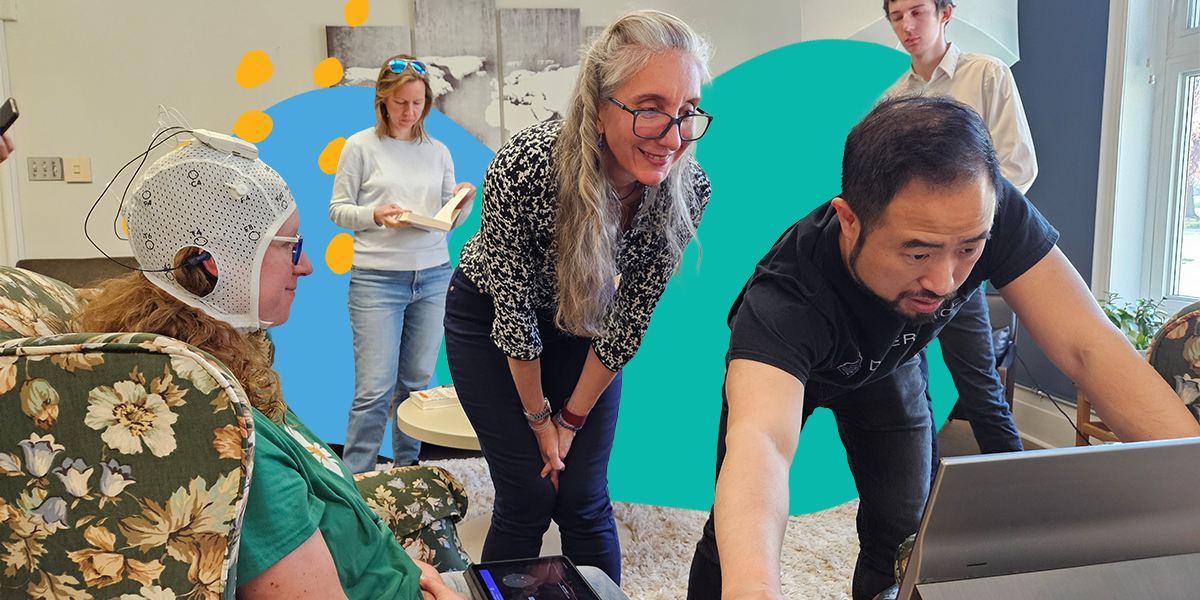
During a neurofeedback session, you wear a lightweight sensor cap while watching a video or listening to audio. The software monitors your brain activity in real time and provides subtle feedback — usually small changes in the audio or video — that encourage your brain
to shift toward more efficient patterns.
You don’t have to “do” anything. There’s no concentration required, no willpower involved. Your brain does the work automatically, responding to the feedback and gradually learning to self-regulate more effectively.
Over time — typically after 2 or 3 months of short daily sessions — these new patterns become your brain’s default. That’s neuroplasticity in action.
What Does Neurofeedback Help With?
Neurofeedback has been used in clinical and research settings for decades. It’s been studied for a wide range of applications, including:
- Focus and attention — helping the brain maintain focus while avoiding undue distractions
- Sleep quality — training the brain to shift into restful states more easily
- Stress resilience — reducing the “always on” feeling of a nervous system stuck in high alert
- Emotional regulation — improving steadiness and reducing reactivity
- Cognitive performance — supporting memory, mental clarity, and processing speed
For high achievers, neurofeedback is especially valuable because it doesn’t require adding more to your plate. You’re not learning a new skill or forcing a new habit. You’re training your brain to work better — so focus, calm, and clarity come more naturally.
What Does a Session Feel Like?
Most people find neurofeedback surprisingly relaxing. You sit comfortably, put on the sensor cap, and watch or listen to something on your phone. The session takes about 20 minutes.
There’s no shock, no stimulation, no medication. The feedback is gentle and passive — your brain picks up on it without you having to try.
Many clients describe feeling calmer and more focused after sessions. Some notice improvements in sleep within the first few weeks. The changes tend to build gradually and then stabilize as the brain locks in new patterns.
Why Haven’t I Heard of This Before?
Neurofeedback isn’t new. It’s been used in hospitals, research labs, and clinical practices for decades — often for conditions like ADHD, traumatic brain injury, and anxiety.
What’s new is the technology. Recent advances have made it possible to do neurofeedback at home, with portable devices and remote coaching, at a fraction of the cost of traditional in-clinic programs.
That’s what makes it accessible now for people who aren’t dealing with a diagnosis — just any one who wants their brain working at its best.
Is Neurofeedback Right for You?
Neurofeedback is a good fit if you:
- Have a hard time relaxing when it’s time to fall asleep
- Feel mentally tired even when you’re getting enough sleep
- Struggle with focus, brain fog, or decision fatigue
- Want to improve your body’s ability to recover from stress
- Care about protecting your cognitive health long-term
It’s not a magic bullet. It works best as part of a broader approach that includes lifestyle, mindset, and nervous system support. That’s why I integrate neurofeedback into a coaching framework — so the changes stick and translate into real life.
If you’re curious whether neurofeedback could help you, book a free consultation and we’ll talk through your situation.
Ginny Santos MSc. CEO, Executive Coach & Organizational Consultant.
Helping leaders & teams reach optimal performance during the day and sleep soundly at night.